


Looking for front yard round flower bed ideas that actually work? You’re in the right place. I’ll show you 13 practical designs that fit any yard size and skill level. These ideas solve common problems like awkward lawn spaces, boring corners, and flat curb appeal.
You’ll get clear plant suggestions, layout tips, and ways to keep maintenance low. Each design is tested and proven to work in real yards. I’m not guessing here. I’ve tried these approaches myself.
I know they deliver results because I’ve seen them grow and change my own space. From small corner beds to large island designs, there’s something here for everyone. Let’s get your front yard looking better without making it complicated or time-consuming.
Why Choose a Round Flower Bed for Your Front Yard?
Round beds bring shape and purpose to flat lawns. They work almost anywhere and fit different garden styles.
A round bed draws the eye immediately. It breaks up grass and adds visual interest. Place one near your mailbox, driveway, or front steps. The circular shape feels complete and intentional. It gives your yard a finished look without complicated planning.
Round beds scale up or down easily. A small 3-foot bed fits tight corners. A larger 8-foot bed fills open lawn areas. You can add multiple round beds for rhythm and flow. They don’t require long borders or straight lines.
Circles are simple to plan and plant. Use a stake and string to mark the edge. No measuring corners or angles. Plant placement is forgiving. Start with a tall center plant and work outward. Even first-time gardeners get good results.
13 Simple Front Yard Round Flower Bed Ideas
Practical round flower bed designs that solve common yard problems and work for any skill level or space size.
Easy-Care Perennial Round Flower Bed
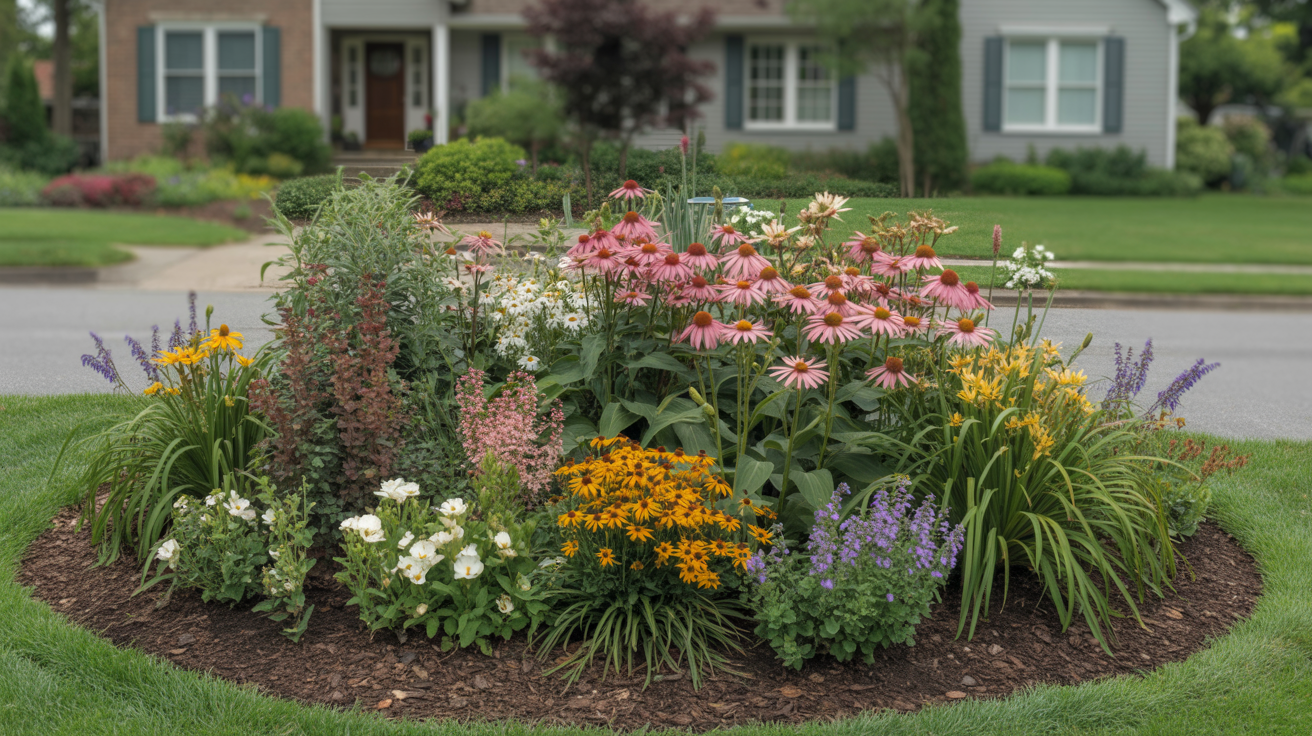
This bed uses plants that return every year with little fuss. Drought-tolerant plants: Choose coneflowers, black-eyed Susans, and Russian sage.
These handle heat and dry spells. Water them during establishment, then let them thrive on their own.
Long-lasting seasonal color. Perennials bloom for weeks, not days. Pick varieties with staggered bloom times. You’ll have color from spring through fall. Add evergreen foliage for winter structure.
Small Corner Round Flower Bed
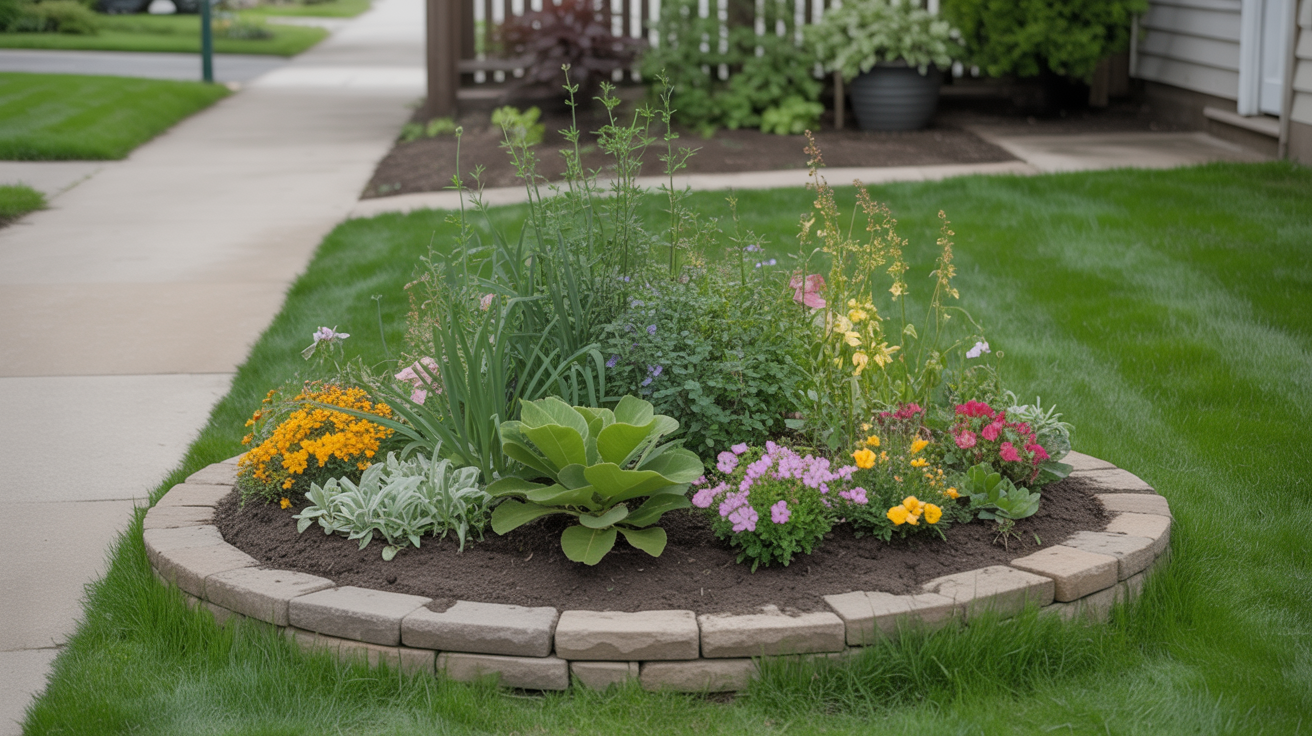
Perfect for tight spaces near sidewalks or driveways. Ideal for sidewalk edges, A 2 to 4-foot bed fits snugly in awkward corners. It softens hard edges and adds life to concrete. Keep plants low so they don’t block sightlines.
Compact plant grouping. Use dwarf varieties and ground covers. Try creeping phlox, dwarf daylilies, or compact hostas. Group three to five plants for impact without crowding.
Foundation-Friendly Round Flower Bed
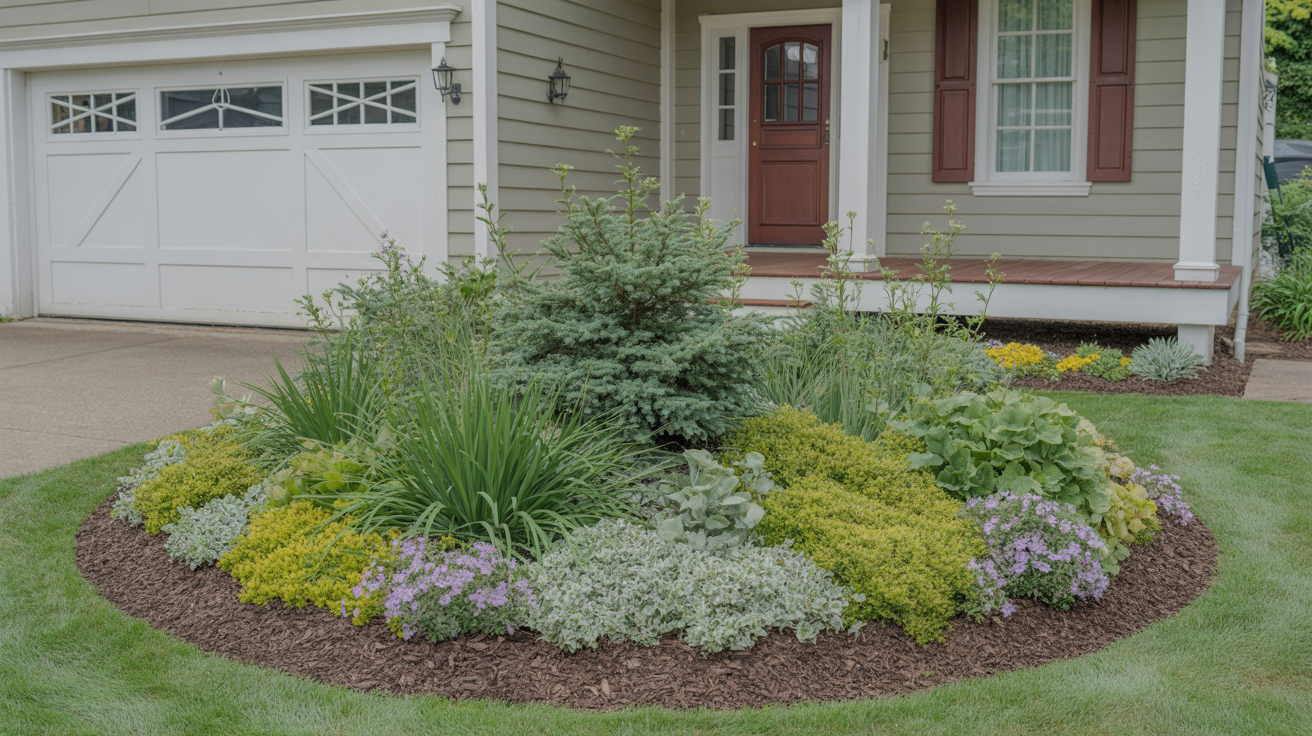
Place this bed near your home’s foundation to soften exterior walls. Softens home exteriors. Round beds break up long foundation lines. They add curves where everything else is straight. Position them away from windows and doors to avoid blocking views.
Layered shrubs and flowers. Start with a small shrub in the center. Add mid-height perennials around it. Finish with low flowers or ground covers at the edge. This creates depth and balance.
English-Style Round Flower Bed

Bring a cottage garden feel to your front yard. Cottage-style blooms fill the bed with foxgloves, lavender, and roses. Add catmint and salvia for soft textures. Let plants spill over the edges slightly for a relaxed look. Informal, romantic look.
Avoid rigid spacing. Plant in clusters and let them mingle. This style works best with organic shapes and mixed colors. It feels lived-in and welcoming.
Rose-Centered Round Flower Bed

Make roses the star of your design. Roses as the focal plant. Choose a shrub rose or floribunda for the center. Pick disease-resistant varieties like Knock Out or Home Run. They bloom repeatedly and need less spraying.
Low border plants for structure.e Surround roses with lavender, catmint, or lamb’s ear. These stay short and complement rose colors. They also hide bare rose stems and add year-round interest.
Summer Color Round Flower Bed

Designed for bold, hot-season blooms.Heat-loving annuals: Plant zinnias, marigolds, and petunias. Add vinca or lantana for non-stop color. These plants thrive in full sun and high temperatures.
Bright, bold color palette. Use reds, oranges, yellows, and purples. Don’t be shy with color. Summer beds should feel lively and cheerful. Refresh with new annuals if needed mid-season.
Shade-Loving Round Flower Bed
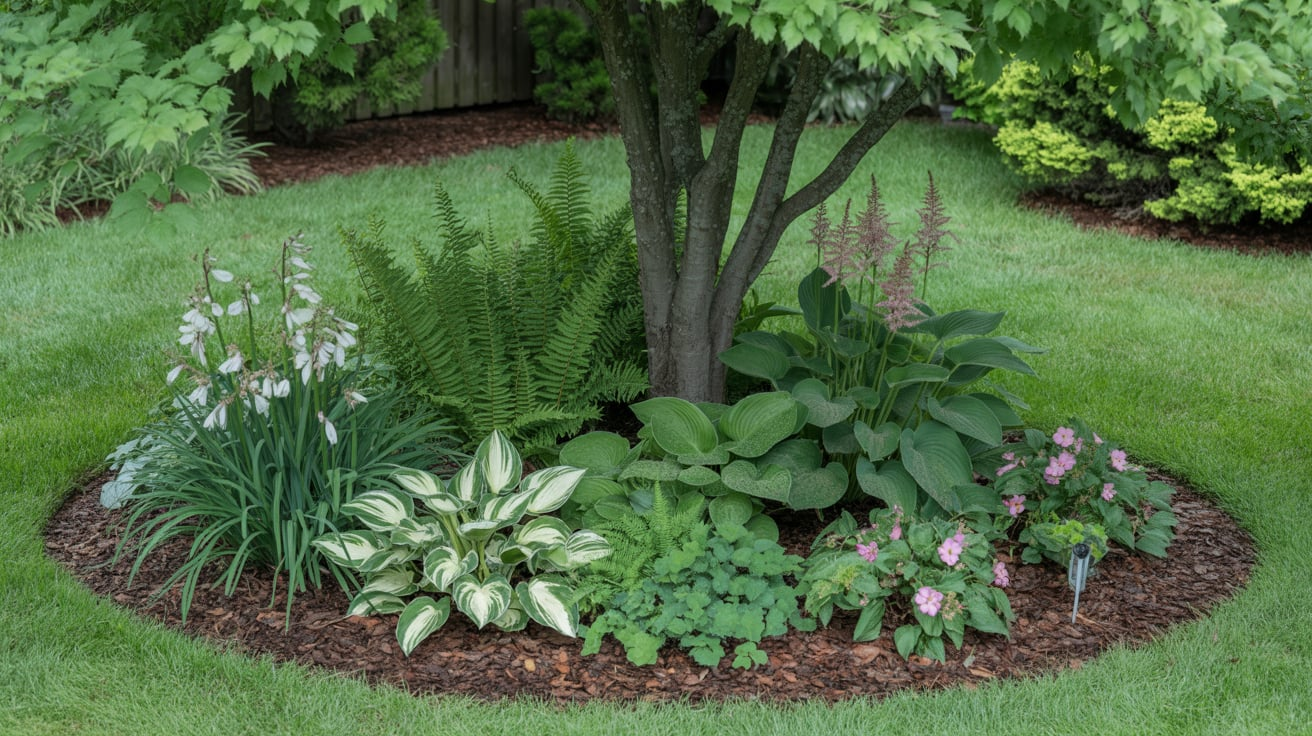
Made for front yards with limited sunlight. Hostas and foliage plants anchor shady beds with their varied leaf patterns. Add ferns, heuchera, and astilbe. Focus on leaf color and texture over flowers. Works in low-light front yards.
Place this bed under trees or on the north side of your home. Shade plants need less water and tolerate cool spots. Keep the soil rich with compost for the best growth.
Privacy-Boosting Round Flower Bed
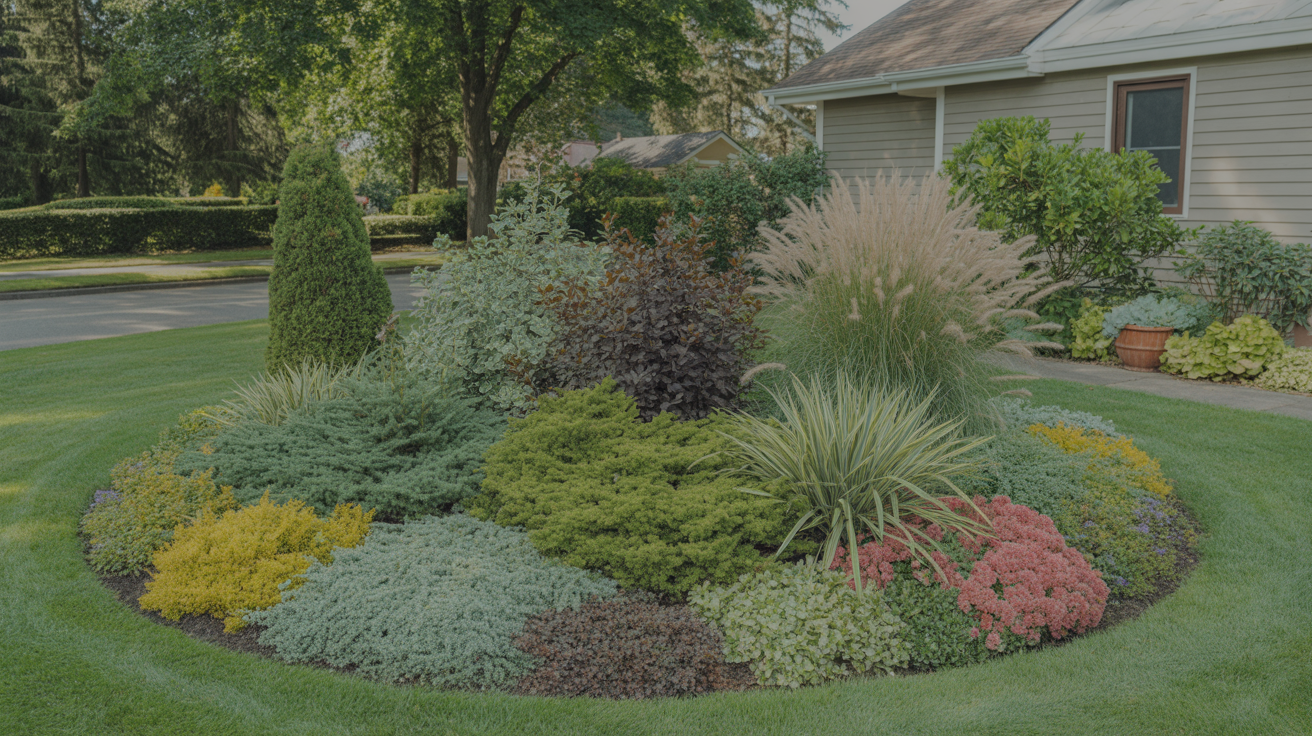
Add height and screening with this approach. Shrubs and ornamental grasses. Use tall grasses like miscanthus or feather reed grass. Add compact evergreen shrubs for year-round coverage. These create a soft barrier without building a fence.
Adds structure and screening. Position the bed between your yard and the street. It blocks views while staying open and friendly. Height gives your yard dimension and privacy without feeling closed off.
Entryway Accent Round Flower Bed

Place this bed where it welcomes visitors. Place near walkways or doors. Position the bed on either side of your front walk. Keep it visible from the street. This guides guests toward your entrance.
Welcoming curb appeal. Use cheerful, colorful plants that bloom for months. Add a decorative rock or small statue in the center. Keep edges clean and mulched for a polished look.
Beginner-Friendly Shade Round Bed
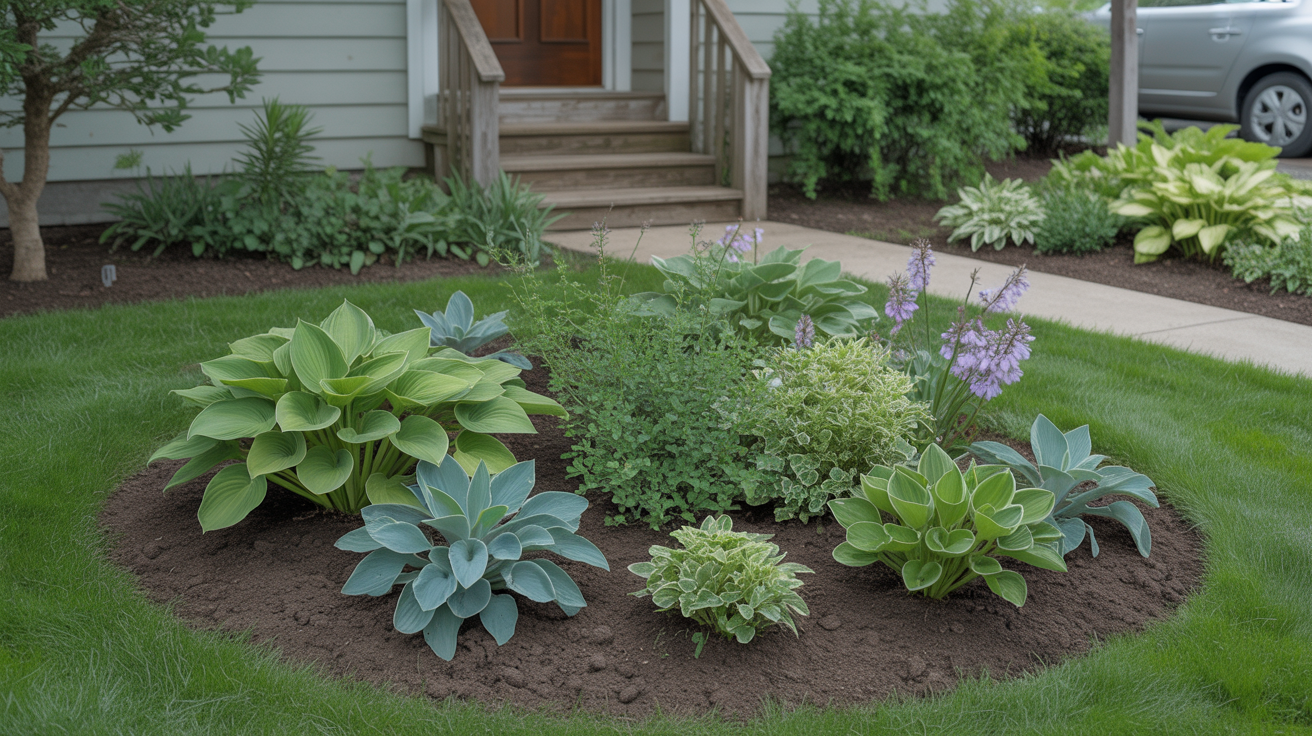
Designed for new gardeners in shady yards. Low-maintenance plants: Choose hostas, ferns, and ground ivy. These tolerate neglect and poor soil.
They spread slowly and fill in gaps. Minimal pruning required. Shade plants grow more slowly than sun lovers. You’ll spend less time trimming and deadheading. Just pull weeds and refresh mulch once a year.
Ornamental Grass Round Flower Bed
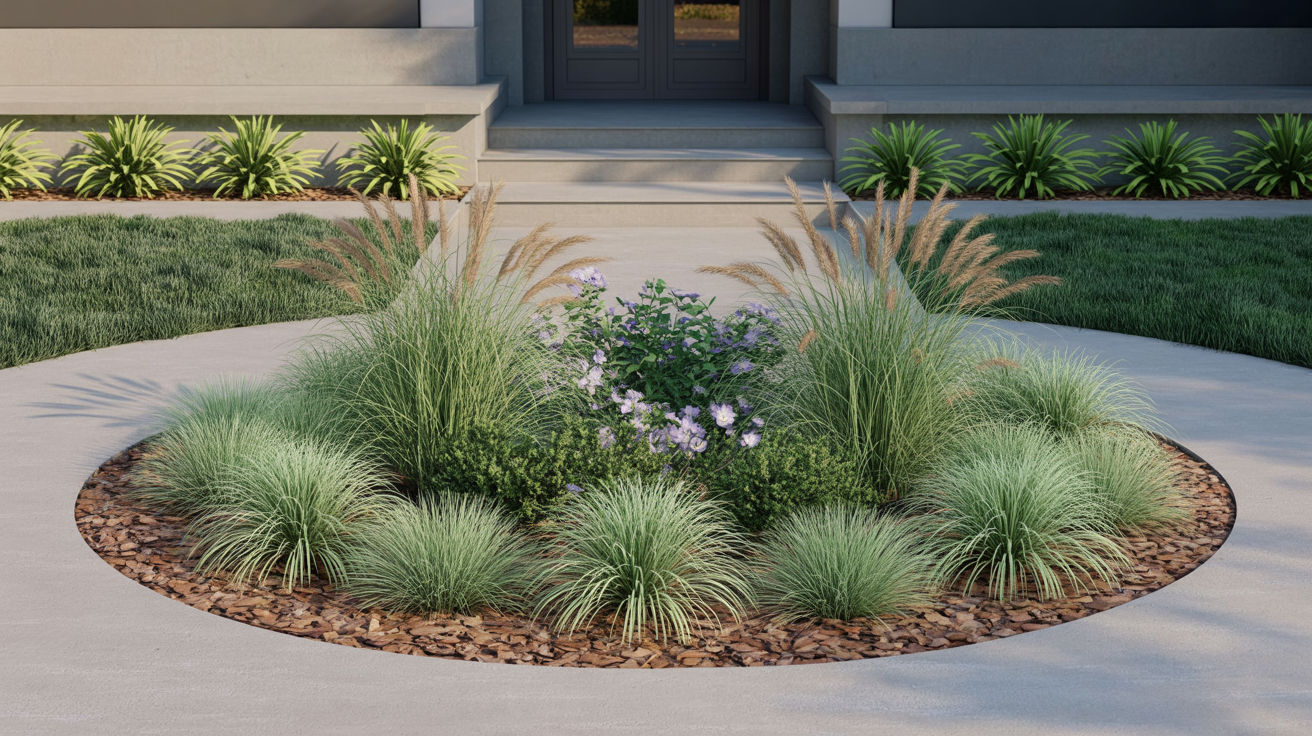
Built around grasses for texture and movement.Texture-driven design Use grasses like blue fescue, fountain grass, or switchgrass. Their fine blades contrast with broad-leaved plants.
They sway in the breeze and add motion. Year-round interest Grasses stay attractive through winter. Their seed heads and dried foliage add structure. Pair them with late-blooming perennials like sedums or asters.
Flower-Filled Foundation Round Bed
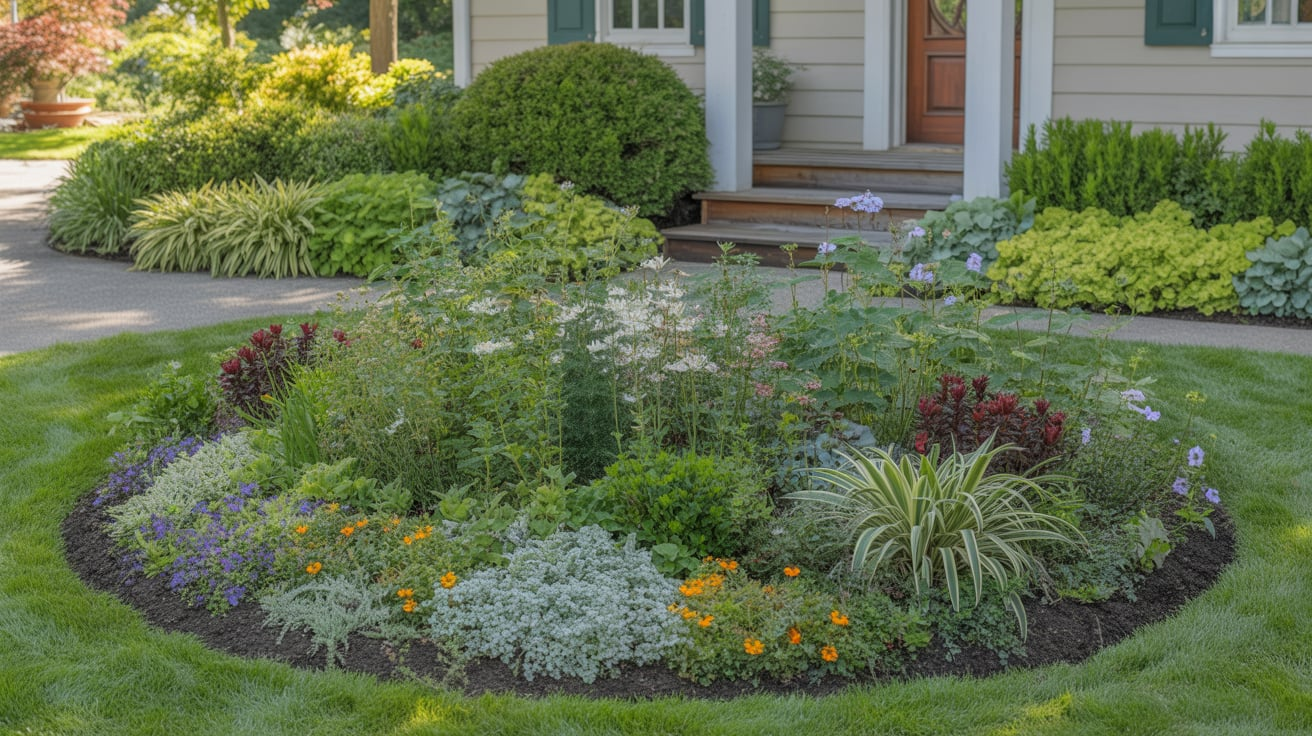
A mixed planting near your home’s base.Mixed perennials and evergreens Combine flowering perennials with small evergreen shrubs.
Try daylilies with boxwood or salvia with dwarf junipers. This gives color and structure in all seasons. Defined edging for a clean look
Island-Style Round Flower Bed
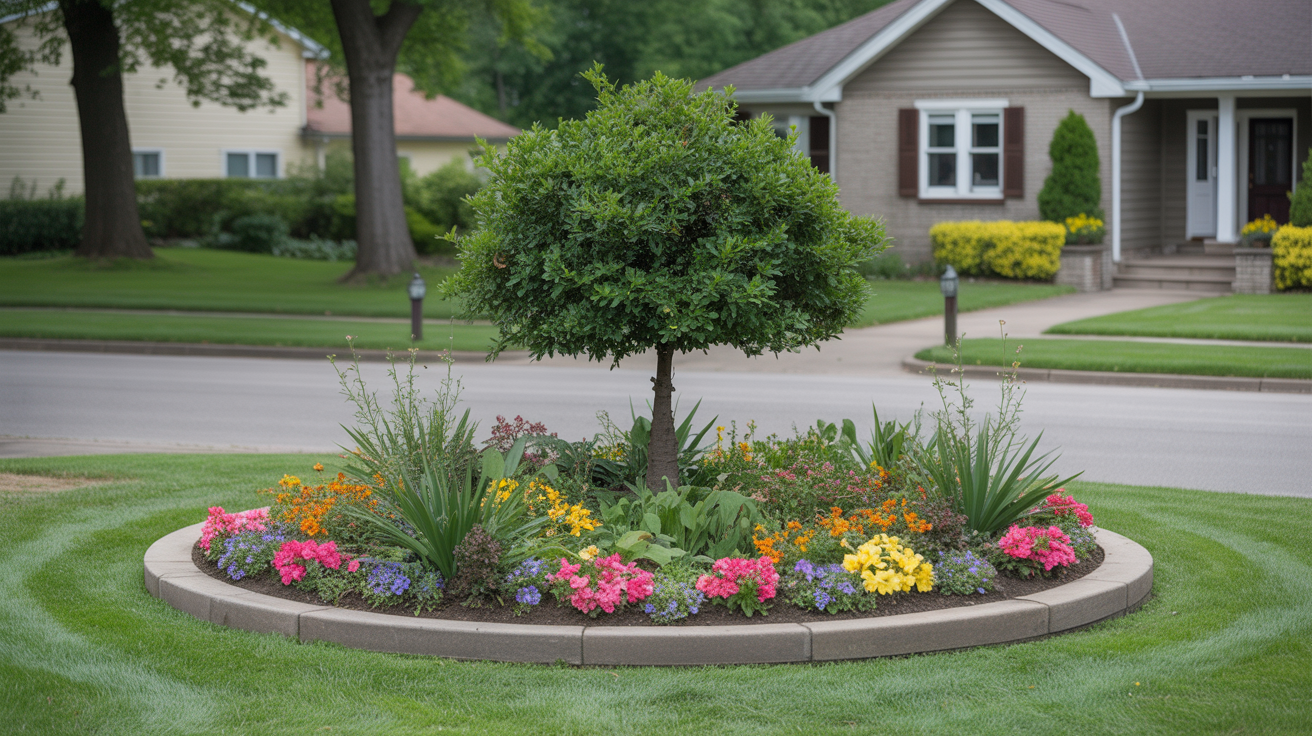
A standalone bed in the middle of your lawn.Central ornamental treeStart with a small tree like a Japanese maple, dogwood, or crepe myrtle. Keep it under 15 feet for scale.
The tree becomes the bed’s anchor.360-degree visual appeal. Plant around the entire circle so it looks good from all sides. Use repeating plants for symmetry. This bed becomes a yard centerpiece that draws attention year-round.
Tips for Designing a Successful Round Flower Bed
Follow these tips to make your round bed look polished and grow well.
- Choose a strong center plant: Start with one tall or bold plant in the middle. This could be a small shrub, ornamental grass, or upright perennial. The center plant sets the height and style for the rest of the bed.
- Layer plants by height: Arrange plants from tall to short as you move outward. This creates depth and prevents plants from hiding each other. Tall plants go in the center, medium plants in the middle ring, and short plants at the edge.
- Keep maintenance simple: Pick plants that match your time and skill level. Avoid high-maintenance varieties that need constant deadheading or spraying. Use mulch to reduce weeding and choose perennials over annuals.
- Use edging for clean lines: Install edging to separate the bed from the lawn. This keeps grass from creeping in and makes mowing easier. Metal, plastic, or stone edging works well.
- Match plants to your sunlight: Check how much sun your spot gets daily. Full sun means six or more hours of direct light. Shade means less than four hours. Pick plants that thrive in your conditions.
Conclusion
Round flower beds are one of the easiest ways to improve your front yard. They fit any space and suit any skill level. I’ve used several of these ideas in my own yard, and they’ve made a real difference.
Start with one bed and see how it changes the feel of your outdoor space. Pick the design that matches your yard conditions and the time you have available. Even a small 4-foot bed can make a noticeable impact.
Try whichever idea speaks to you most. Maybe it’s the rose-centered bed or the low-maintenance perennial option. Give it a season and watch how it grows. Leave a comment below and tell me which design you’ll try first. I’d love to hear about your results.
Frequently Asked Questions
What size should a front yard round flower bed be?
Most round beds work best between 4 and 8 feet across. Smaller ones fit corners, larger ones fill open spaces.
How do I mark a perfect circle for a round flower bed?
Use a center stake with a string tied to spray paint. Walk around, keeping the string tight to mark your circle.
What plants work best in a round flower bed?
Pick plants based on your sunlight. Coneflowers, hostas, and daylilies are reliable choices for most conditions.
How do I keep grass from growing into my round flower bed?
Install edging around the bed and add mulch inside. This blocks grass and keeps borders clean.
Can I put a round flower bed near my front door?
Yes, just keep it 3 to 5 feet from walkways. Choose low plants that won’t block your path.
