


Choosing between Liveable Green and Softened Green is harder than it looks. They sit right next to each other on the Sherwin-Williams color strip and look nearly identical in the store.
But on your walls? They feel very different.
In this article, I break down both colors side by side, covering LRV and brightness, undertones, lighting behavior, room-by-room use, color pairings, and how they compare to similar greens.
I have helped hundreds of homeowners pick the right green, and trust me, the details here matter.
By the end, you will know exactly which one fits your room.
Liveable Green vs Softened Green: Quick Comparison
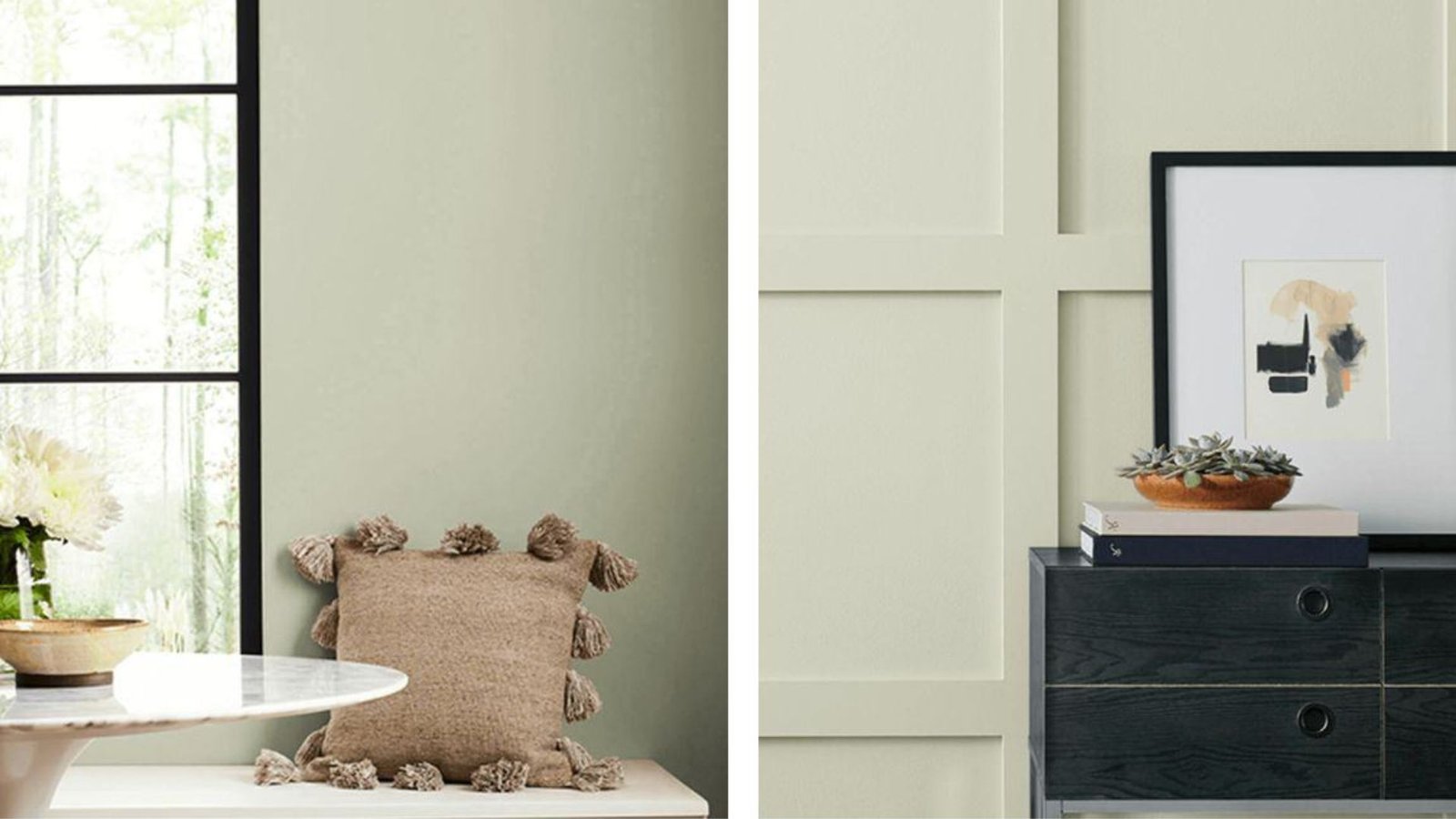
Both colors come from Sherwin-Williams’ Nature’s Hint collection and sit right next to each other on the paint strip, but they are not the same.
Liveable Green (SW 6176) has an LRV of 61. Softened Green (SW 6177) has an LRV of 49-50. That gap shows on the wall. Liveable Green reads as a true, present green with more depth. Softened Green is lighter, more muted, and almost neutral in certain rooms.
What they share is cool gray undertones that keep both from pulling too warm or too yellow. Neither screams green, which makes both easy to pair across many home styles.
Liveable Green (SW 6176) Overview

Liveable Green is one of those colors that feels calm the moment you walk into a room. It is not too bold, not too pale. It just feels right.
Color Profile and Undertones
Liveable Green is a medium-depth green with gray and blue-gray undertones. It does not pull yellow or brown. The gray in it keeps it cool and clean. In certain lights, it can read slightly blue-green, which gives it a fresh, natural feel.
LRV and Light Reflection
The LRV is 61. This puts it in the medium range. It will absorb some light and add a sense of depth to the room. It works best in spaces that get decent natural light. In dark rooms, it can feel a little heavy.
How It Looks in Different Lighting
In north-facing rooms, Liveable Green leans cooler. The gray undertones come out more. It can feel slightly blue or muted.
In south-facing rooms, the warmth of the sun softens it. It looks more like a true sage green.
Under artificial warm light, it pulls a little more green and feels cozy.
Under cool LED lighting, it reads more gray-green.
Best Uses in Interior and Exterior Spaces
Indoors: Living rooms, bedrooms, home offices, and dining rooms. It adds color without being too loud.
Outdoors: Works well on shaded exteriors, shutters, and front doors. The depth holds up well in natural light outside.
Softened Green (SW 6177) Overview

Softened Green is the lighter sibling. It gives you the green family look with less commitment. Great for people who want green but feel nervous about going too deep.
Color Profile and Undertones
Softened Green is a light, muted green with gray undertones. It sits closer to a soft sage or even a near-neutral. It reads clean and quiet on the wall. Like Liveable Green, it avoids yellow and brown pulls.
LRV and Brightness Level
The LRV is 49-50. This is closer to the mid-light range. It reflects more light than Liveable Green and keeps rooms feeling open. Good choice for smaller rooms or spaces with limited natural light.
Lighting Behavior and Color Shift
In bright natural light, Softened Green can look almost white-green. It gets very soft and barely-there.
In north-facing rooms, the gray comes forward. It can read almost like a warm greige with a hint of green.
Under warm artificial light, it softens even more. It may lose most of its green and read as a pale neutral.
Under cool lighting, it holds more of its green-gray tone.
Ideal Uses for Modern Homes
Indoors: Bathrooms, small bedrooms, nurseries, and open-concept spaces. It does not overpower a room.
Outdoors: Works on light-colored homes. Great for shutters, trim, or accent walls on a white or cream exterior.
Liveable Green vs Softened Green: Detailed Comparison
Both colors are close, but these differences matter when you are picking paint.
| Feature | Liveable Green | Softened Green |
|---|---|---|
| LRV | 61 | 49-50 |
| Undertones | Cool blue-green gray | Slightly warmer gray |
| Color Presence | Strong, stands out | Quiet, stays in background |
| Best Light | South-facing rooms | Works in any direction |
| Best For | Living rooms, exteriors | Bathrooms, small spaces |
Room-by-Room Comparison

The right green depends a lot on the room. Here is how both perform in different spaces.
Living Room
Liveable Green feels grounded and rich in a living room. It makes the space feel intentional. Pair it with warm wood furniture, cream upholstery, and white trim for a balanced look.
Softened Green works well in larger living rooms where you want color without the weight. It keeps things light and easy to move around in.
Winner: Liveable Green for cozy, intimate spaces. Softened Green for open, bright living rooms.
Bedroom
Liveable Green creates a calm, restful feel in a bedroom. The medium depth is great for winding down. It does not feel too bold or too pale.
Softened Green is ideal for smaller bedrooms or rooms with less light. It keeps the space from feeling closed in.
Winner: Liveable Green for most bedrooms. Softened Green for smaller or darker bedrooms.
Kitchen
Liveable Green on kitchen cabinets or walls adds character. It reads well next to white uppers, brass hardware, and natural wood.
Softened Green on kitchen walls creates a soft, clean backdrop. It works well with modern white kitchens.
Winner: Liveable Green for cabinetry. Softened Green for walls and open kitchens.
Bathroom
Liveable Green in a bathroom feels spa-like and rich. Best in bathrooms with good lighting or natural light from windows.
Softened Green is the safer pick for small or windowless bathrooms. The higher LRV prevents the space from feeling too dark.
Winner: Softened Green for small bathrooms. Liveable Green for large bathrooms with windows.
Exterior Applications
Liveable Green on an exterior makes a bold, natural statement. It looks great on craftsman-style homes, colonial exteriors, and homes with dark roofs.
Softened Green works on homes where you want a soft, understated color. Great for shutters or accents on white or light gray homes.
Winner: Liveable Green for full exterior use. Softened Green for accents and shutters.
Styling and Color Pairing Ideas
Getting the pairings right makes all the difference.
Best Trim Colors
Liveable Green looks great with SW 7012 Creamy for warmth, SW 7006 Extra White for crisp contrast, or SW 7015 Repose Gray for a modern tonal look.
Softened Green pairs well with SW 7005 Pure White or SW 7012 Creamy. Avoid dark trim as it will make Softened Green look washed out.
Furniture and Wood Tones
Both greens work well with medium oak and walnut, white or off-white upholstery, linen textiles, rattan, and black metal accents. Avoid cool gray furniture as it makes the room feel too cold.
Accent Colors for Each Shade
Liveable Green: Terracotta, rust, dusty pink, navy, and mustard yellow.
Softened Green: Blush, pale lavender, warm cream, and soft coral.
Both look sharp with natural stone finishes like marble or travertine.
Liveable Green vs Softened Green vs Similar Colors
Here is how both greens compare to other popular Sherwin-Williams options.
Sea Salt Comparison

Sea Salt (SW 6204) leans heavily blue-green and reads almost like a spa blue. With an LRV of 63, it is much lighter than both.
Choose Sea Salt for blue-aqua tones, and stick with Liveable or Softened Green for a true green.
Soft Sage Comparison

Soft Sage (SW 0050) has a yellow-green base and feels more earthy and organic. It is warmer than both Liveable and Softened Green.
Choose Soft Sage for warmth and an earthy feel. Choose Liveable or Softened Green for something cooler and more neutral.
Soft Fern Comparison

Soft Fern (SW 9132) is warmer and more colorful than both. It has more yellow-green presence and less gray.
If you want more color, go with Soft Fern. For something more restrained, Liveable or Softened Green is the better pick.
Filmy Green Comparison

Filmy Green (SW 6192) is barely-there green with a very high LRV. It is much lighter than both colors.
If you want something even more subtle than Softened Green, Filmy Green is the answer.
Pros and Cons of Each Color
Every color has strengths and limits. Here is a clear breakdown of both.
Liveable Green Pros and Cons
A strong, grounded color that works best in well-lit spaces.
| Pros | Cons |
|---|---|
| Strong color presence | Too dark for small, poorly lit rooms |
| Works well in living rooms and bedrooms | Can feel heavy in compact spaces |
| Pairs well with a wide range of wood tones | Needs good lighting to show its best |
| Holds up in bright and warm light | |
| Great for exterior use |
Softened Green Pros and Cons
A light, versatile color that fits almost any space with ease.
| Pros | Cons |
|---|---|
| Works well in small and dark rooms | Can wash out in very bright light |
| Very versatile and easy to pair | May read more gray than green in some rooms |
| Feels fresh and open | Less color presence, may feel too plain for some |
| Great backdrop for bold furniture or art |
Which One Should You Choose?
This comes down to your room, your light, and the feeling you want.
Go with Liveable Green if your room gets good natural light, you want the color to stand out, or you are painting a living room, bedroom, home office, or exterior.
Go with Softened Green if your room is small or lacks windows, you want a quiet backdrop color, or you are painting a bathroom or compact bedroom and want something easy to pair with anything.
Expert Tips Before You Paint
These five tips will save you time, money, and a fresh coat of regret.
- Always buy sample pots and paint a large swatch on the wall. Check it in morning light, afternoon light, and under your evening artificial lights before deciding.
- North-facing rooms make both greens look cooler and more gray. South-facing rooms bring out their warmth and true green tone.
- East-facing rooms get bright morning light but turn dim in the afternoon. West-facing rooms glow with warm golden light later in the day.
- Liveable Green can feel heavy in small rooms. If you are unsure about the size of your space, Softened Green is the safer and lighter option.
- Hold your paint swatch next to your floors, countertops, and existing furniture. Warm wood floors work with both. Cool gray or dark floors pair better with Softened Green.
Conclusion
I have spent a lot of time staring at these two greens on the walls. And honestly? Both are great. But they are not the same.
If I had to pick one for a cozy living room, I would go with Liveable Green every time. That calm, grounded quality is hard to beat.
For a small bathroom or a light-filled bedroom, Softened Green is my go-to without hesitation.
You know your room better than anyone. Test the samples, trust what you see, and go with the one that feels right.
Which one are you leaning toward? Drop a comment below and let me know.
Frequently Asked Questions
What is the LRV difference between Liveable Green and Softened Green?
Liveable Green has an LRV of 61 and Softened Green has an LRV of 49-50. Softened Green is the brighter of the two.
Can I use Liveable Green in a small room?
It is not ideal. Liveable Green absorbs more light and can make small rooms feel tight. Softened Green is the better pick.
Do Liveable Green and Softened Green have the same undertones?
Both have cool gray undertones. Liveable Green leans more blue-green. Softened Green is slightly warmer but still reads cool.
What trim color works best with both greens?
Pure White and Creamy from Sherwin-Williams work well with both. Warmer whites suit Liveable Green. Crisp whites work best with Softened Green.
Are Liveable Green and Softened Green good for exteriors?
Yes. Liveable Green works well as a full exterior color. Softened Green is better for shutters, accents, or lighter-colored homes.
