


Dealing with a wet basement is frustrating. I’ve been there, and I know how confusing it gets when you’re staring at two products on the shelf and have no idea which one actually works.
This article breaks down RadonSeal vs Drylok so you can make a smart choice. We’ve tested, researched, and compared both products side by side.
You’ll find key differences between both products, pros and cons with real performance data, and a full cost breakdown with best-use scenarios.
No fluff. Just clear answers.
Why Basement Waterproofing Matters
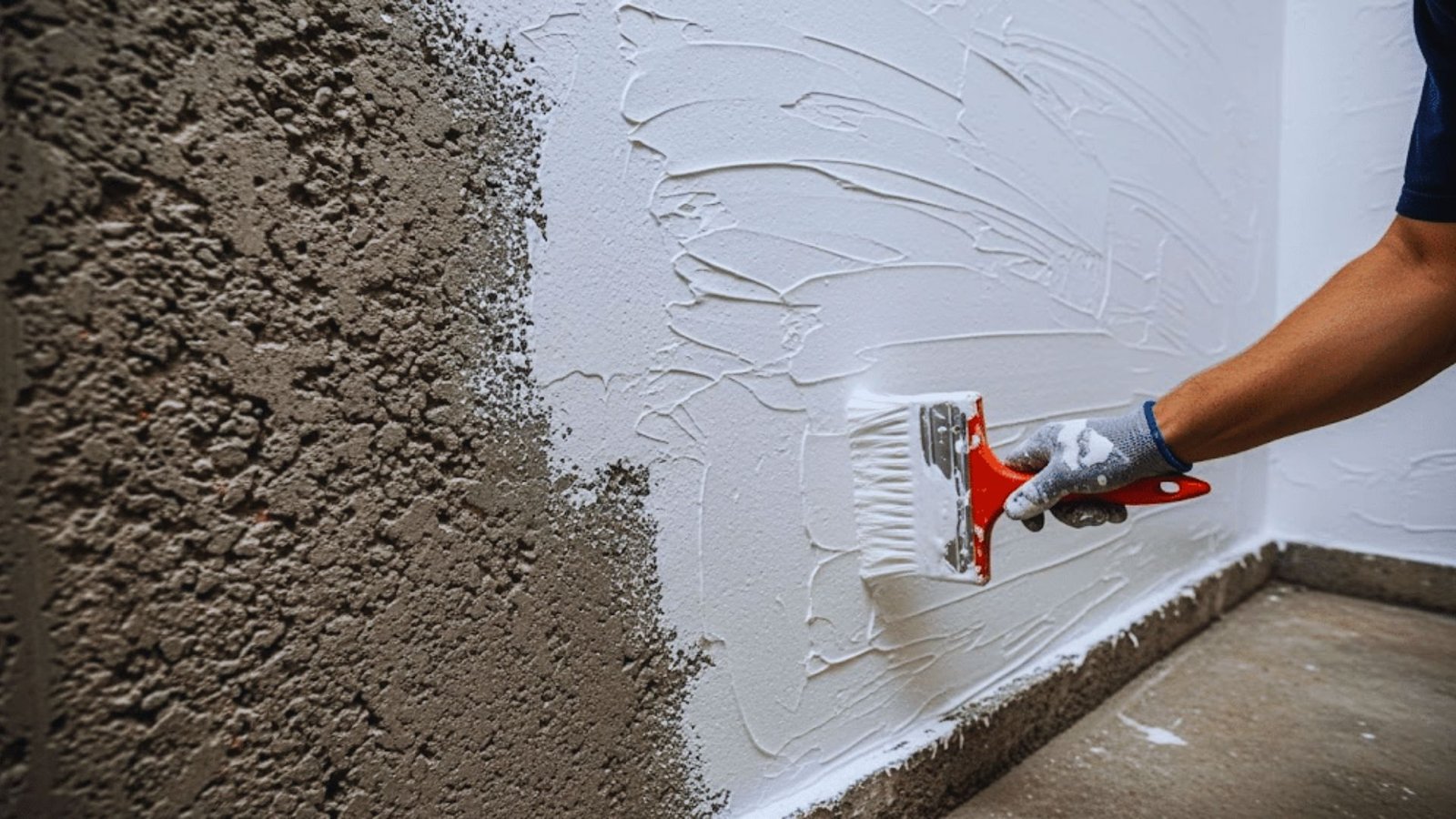
Moisture in your basement is more than a minor inconvenience. It affects your health, your home’s structure, and your air quality. A damp basement grows mold fast, and mold causes serious respiratory problems, especially for children and older adults.
Radon is another real threat. It’s a colorless, odorless gas that seeps through concrete and is the second leading cause of lung cancer in the United States. Ignoring these problems only makes them worse and more expensive to fix later.
Sealing your basement properly stops water seepage, reduces mold, lowers radon levels, and protects your foundation for years to come. Not all sealers work the same way though.
RadonSeal goes deep inside the concrete while Drylok coats the surface. Picking the wrong one wastes money and leaves your basement vulnerable.
Key Differences Between RadonSeal and Drylok
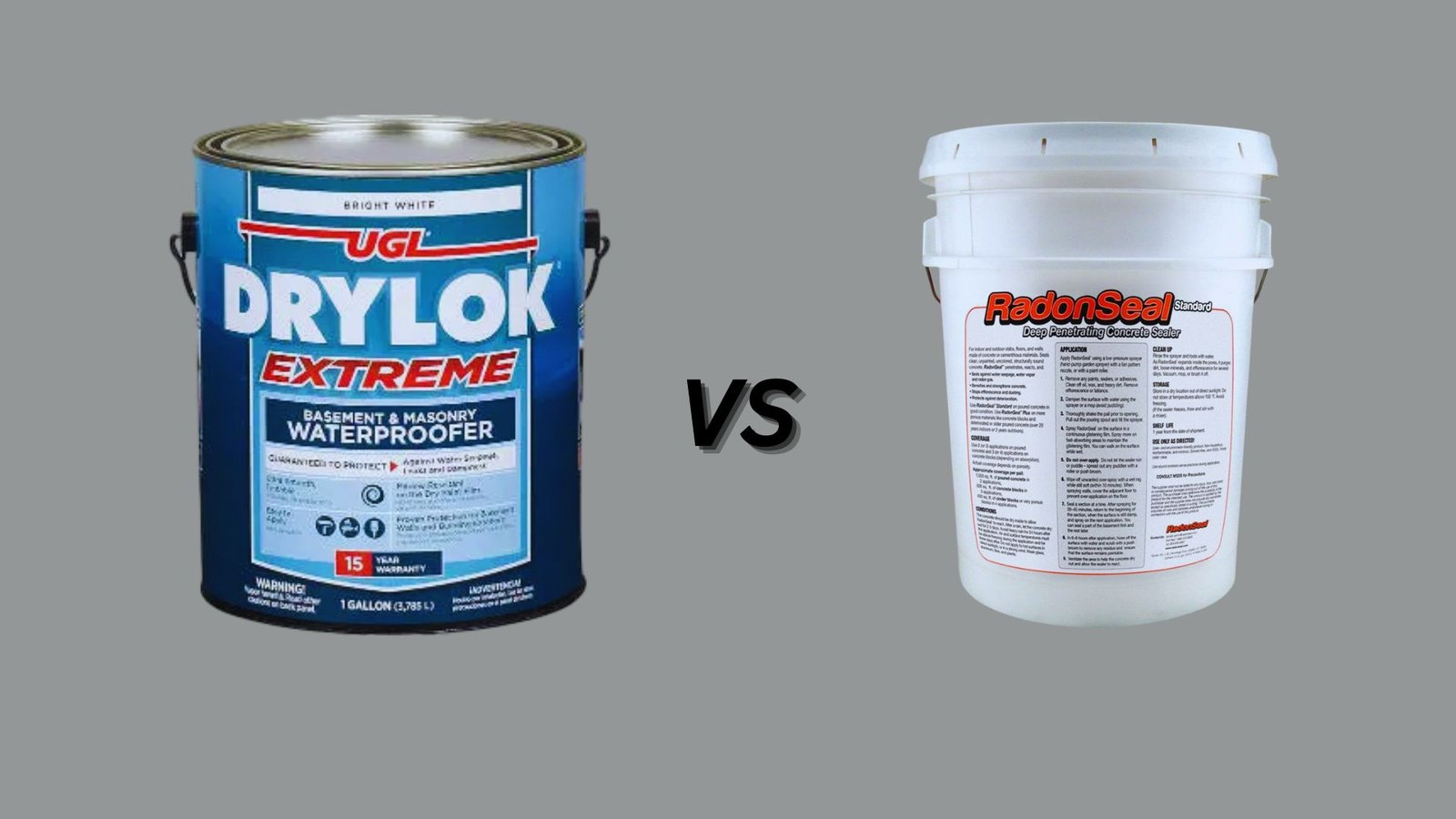
Here’s a simple side-by-side look at what makes these two products different from each other.
Product Type and Purpose
RadonSeal is a penetrating silicate-based sealer that goes deep inside the concrete, blocks moisture vapor, reduces radon infiltration, and strengthens aging concrete.
Drylok is a latex-based masonry paint that coats the surface and handles minor water seepage. It does not penetrate the concrete the way RadonSeal does. These two products solve different problems, and knowing that upfront saves a lot of headaches.
Application and Coverage
RadonSeal is applied using a pump sprayer and penetrates up to 4 inches deep with no thick coating left behind.
Drylok is applied with a brush or roller, building up on the surface to about 1/16 of an inch, similar to painting a wall.
Longevity and Maintenance
RadonSeal lasts 20+ years and does not peel, chip, or wear away once cured.
Drylok holds up for 5 to 10 years under normal conditions but can peel under high water pressure and will need reapplication over time.
Ideal Surfaces and Use Cases
RadonSeal works best on old, porous concrete, cinder block walls, and basements with radon concerns.
Drylok works best on smooth surfaces, walls with minor dampness, and spaces where a clean painted finish is preferred.
Pros and Cons
A quick breakdown to help you see the strengths and weaknesses of each product before buying.
RadonSeal
A deep-penetrating sealer built for long-term protection against moisture and radon.
| Pros | Cons |
|---|---|
| Goes deep into the concrete for a lasting seal | Higher upfront cost than Drylok |
| Lasts 20+ years with little to no maintenance | Very porous walls may need multiple coats |
| Reduces radon gas by up to 99% | Has a noticeable odor during application |
| Strengthens and hardens old, soft concrete | Requires proper ventilation when applying |
| Won’t peel, blister, or chip over time |
Drylok
A surface-level coating that works well for light dampness and quick DIY fixes.
| Pros | Cons |
|---|---|
| Great for beginner DIYers | Only protects the surface, not deep inside the wall |
| Dries fast, usually within a few hours | Can peel or bubble under high water pressure |
| More affordable per gallon | Does very little to block radon gas |
| Drylok Extreme version includes mildew resistance | Needs to be reapplied every 5 to 10 years |
| Leaves a clean, white painted finish |
Performance Comparison
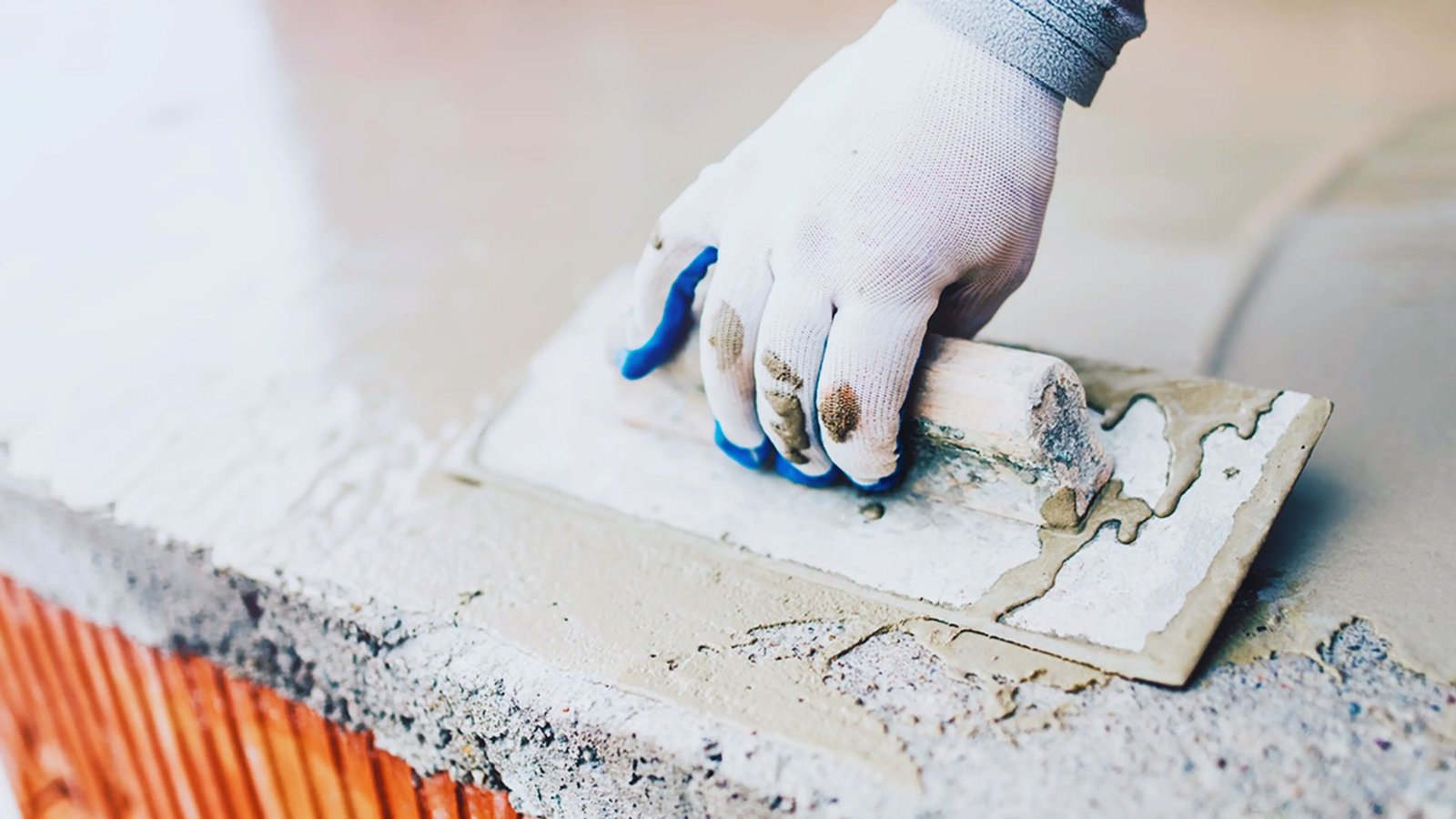
How do these two products actually hold up when it counts? Let’s look at the numbers.
Water Resistance
RadonSeal performs better under serious water pressure. It fills the internal pores of the concrete so water has nowhere to travel.
Drylok handles light seepage well, but if groundwater pressure is high, its surface coating will eventually give way. RadonSeal for high pressure. Drylok for light dampness.
Radon Mitigation
This is where the gap between the two products is the widest. RadonSeal reduces radon infiltration by up to 99% by sealing the tiny pores and cracks in concrete.
Drylok was not designed to block radon and its surface coating won’t stop radon from passing through. If radon is a concern in your home, Drylok alone will not solve the problem.
DIY-Friendliness and Application Tips
Drylok is easier for beginners. Clean the wall first, fill any cracks with hydraulic cement, then apply two thin coats with a brush or roller.
RadonSeal needs more prep but is still manageable. The concrete must be bare and clean, applied with a pump sprayer away from direct sunlight, and given full curing time before adding any finish on top.
Cost and Value Analysis
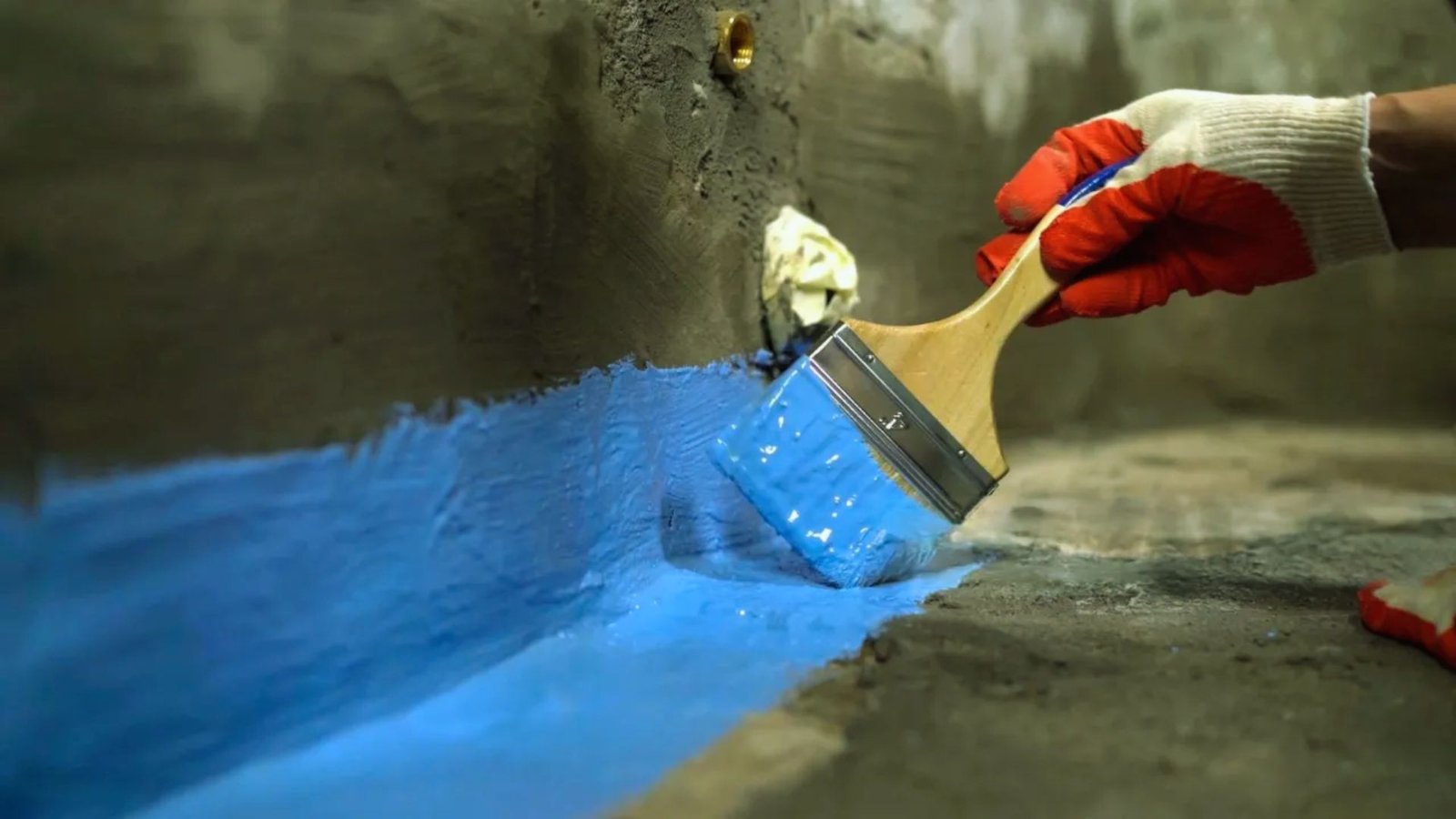
Price matters, but the real question is which product gives you more over time.
Per-Gallon and Per-Square-Foot Comparison
RadonSeal costs around $30 to $50 per gallon and covers 200 to 300 sq ft.
Drylok Original runs $15 to $25 per gallon and covers 75 to 100 sq ft. At first glance, Drylok looks cheaper, but RadonSeal covers more area per gallon and lasts far longer.
Long-Term Cost vs Short-Term Savings
With Drylok, you spend less upfront but reapply every 7 years or so, meaning three or more applications over 20 years.
With RadonSeal, you apply it once and it lasts 20+ years. The long-term math often works out in RadonSeal’s favor.
When Combining Both Products Makes Sense
Some homeowners use both products together. Apply RadonSeal first to seal deep moisture and radon, let it cure for 24 to 48 hours, then apply Drylok on top for a clean finished surface.
This gives you deep structural protection and a smooth attractive finish, making it a solid option for finished basements.
Recommended Scenarios
Not sure which one is right for you? Here’s a simple guide based on your situation.
Choose RadonSeal if your basement has old, porous concrete or cinder block walls, you have confirmed radon levels you want to lower, or moisture moves through your walls even when it hasn’t rained. It’s the stronger pick for serious moisture problems and long-term protection with minimal upkeep.
Choose Drylok if you have minor dampness after heavy rain, smooth or already painted walls, or just need a quick and affordable DIY fix. It works well for surface-level moisture where deep penetration is not needed.
For the best result, use both together. Apply RadonSeal first and let it cure for at least 24 hours, then apply Drylok on top as a finishing coat. Let it dry fully before painting or finishing. This combo works well for finished basements where you want deep protection and a clean surface.
Common Mistakes to Avoid
Small errors can make a big difference. Here are the most common mistakes to skip so you get the most out of whichever product you choose.
- Using the wrong product for the job. Drylok will not fix serious moisture or radon problems. If water is pushing through your walls, you need RadonSeal or a professional system.
- Skipping surface preparation. RadonSeal needs bare concrete with no paint or old sealers blocking the pores. Drylok needs all cracks filled or it will peel fast.
- Applying RadonSeal in direct sunlight. It dries too quickly on the surface and won’t penetrate deep into the concrete the way it should.
- Applying Drylok in one thick coat. Always use two thin coats instead. One heavy coat leads to uneven coverage and early peeling.
- Applying either product to a wet wall. Both products need a damp or dry surface to bond properly. A soaking wet wall stops them from working correctly.
Conclusion
Choosing between RadonSeal and Drylok comes down to what your basement actually needs. If you’re dealing with radon or deep moisture, RadonSeal is the one to go with. For light dampness and a quick fix, Drylok does the job well.
Personally, I’d always lean toward RadonSeal for long-term peace of mind. I’ve seen surface coatings peel after a few winters, and it’s just not worth redoing the work.
Try using both together if you want the best result. Have questions? Drop them in the comments. I’d love to help.
Frequently Asked Questions
Can I apply Drylok over RadonSeal?
Yes, you can apply Drylok over a fully cured RadonSeal coat. Let RadonSeal cure for at least 24 to 48 hours before applying Drylok on top for a finished surface.
Does RadonSeal really reduce radon levels?
RadonSeal can reduce radon infiltration through concrete by up to 99%. However, it works best as part of a broader radon mitigation plan that may include proper ventilation as well.
How long does Drylok last on basement walls?
Drylok typically lasts between 5 and 10 years under normal conditions. In areas with high water pressure or frequent moisture, it may need to be reapplied sooner.
Is RadonSeal safe to use indoors?
RadonSeal has an odor during application and requires good ventilation. Open windows and use fans when applying it. Once it cures, it is safe and does not release any harmful fumes.
Which product is better for a finished basement?
For a finished basement, using both products works well. Apply RadonSeal first for deep protection, let it cure, then apply Drylok as a surface coat before painting or adding any wall finish on top.
